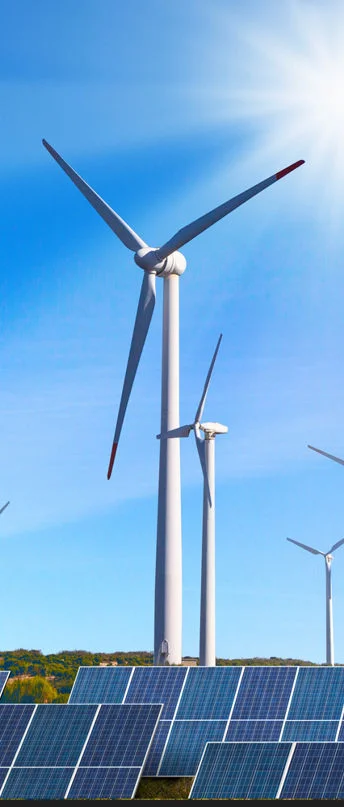
Windmills everywhere
Energy
To get an energy contract for your home in the Netherlands, you need to follow several steps. Here’s a simplified version of the process:
Compare energy providers: Start by comparing different energy providers to find the best contract that suits your needs. There are various comparison websites available where you can compare rates, terms, and offers from different providers.
Choose an energy provider: After reviewing the different options, choose the energy provider that fits you best. As you are not familiar with the Dutch language you will have problems with understanding the contract. Ask how they can help you.
Contact the energy provider: Get in touch with the chosen energy provider to apply for an energy contract. This can usually be done online through their website or by phone.
Provide necessary information: You may need to provide some information such as your personal details, the address of your home, the type of energy meter you have, and information about your current energy contract (if applicable).
Submit meter readings: After securing the energy contract, you’ll need to submit meter readings to the energy provider. This can usually be done online or over the phone. It’s important to provide accurate meter readings to ensure correct billing.
Confirmation and welcome package: Once you’ve provided all the necessary information, you’ll receive a confirmation of your energy contract from the provider. They will usually send you a welcome package with important details about the contract and payment information.
Arrange payments: Set up the payment method for your energy bills. You can choose automatic direct debit, bank transfer, or another payment method offered by the energy provider.
Please note that the exact steps and requirements may vary among energy providers. It’s always wise to follow the specific instructions provided by the chosen energy provider and direct any questions you have to them for clarity about the process.
Here are some important tips to save energy:
Energy is very expensive. Therfore we provide some important tips to save energy, in Dutch “energie besparen”:
Use energy-efficient appliances: Choose appliances with high Energy Star ratings. They use less electricity and help you save energy.
Unplug devices when not in use: When you’re not using electronic devices like chargers, laptops, or TVs, unplug them. Even when they’re off, they can still use power.
Switch to LED lights: Replace old bulbs with energy-saving LED lights. They last longer and use less energy.
Adjust your thermostat: Lower the heat in winter and raise the cooling temperature in summer. You can use a programmable thermostat to automatically adjust the temperature based on your schedule.
Insulate your home: Add insulation to your home to keep it warm in winter and cool in summer. This helps you use less heating or cooling. If the house is not yours, ask the owner how to deal with isolation.
Use natural light: Open curtains and blinds during the day to let in sunlight. It saves energy by using less artificial lighting.
Seal air leaks: Check for any gaps or cracks around windows, doors, or vents. Seal them to prevent drafts and save energy.
Set water heater temperature: Keep your water heater temperature around 120°F (49°C) to avoid wasting energy. Use cold water for washing clothes and take shorter showers.
Use power strips: Connect multiple devices to power strips and turn them off when not in use. This stops them from using standby power.
Develop energy-saving habits: Remember to turn off lights when you leave a room, use energy-saving modes on devices, and avoid using energy-intensive appliances unnecessarily.
By making these simple changes, you can save energy and reduce your electricity bills.
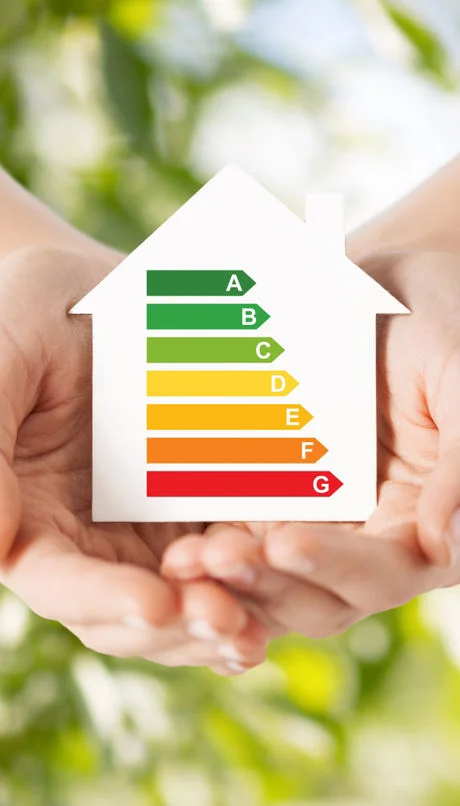
Green is good