SERVICES

The town hall
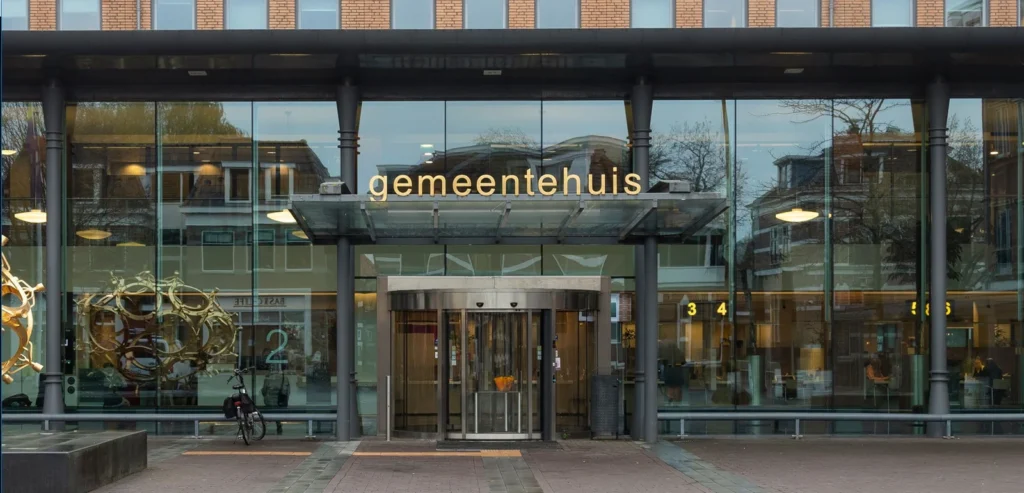
Town hall
The Netherlands has many places where people live. We use the word city to mean a large place where many people live. We use the word village when it comes to a small place where few people live. When it comes to contact with the government, we use the word municipality. The place you have to go to is called “gemeentehuis”. In a large town they speak of a town hall. But a town hall is also a “gemeente”. Small towns and villages are clustered and only have 1 town hall.
Everyone has to deal with the town hall because you always have to provide certain information. And you also have to go to the “town hall” for official documents.
Het gemeentehuis
provides several important services for citizens. Here are some of the most common:
Civil Registry: Here you can go for birth registration, marriages, divorces and death registrations.
Identity documents: Application and renewal of passports, identity cards and driving licenses.
Extracts and Declarations: For example, an extract from the Personal Records Database (BRP) or a declaration of good conduct (VOG).
Registration and Relocation: If you move within or to the municipality, you must report this to the municipality.
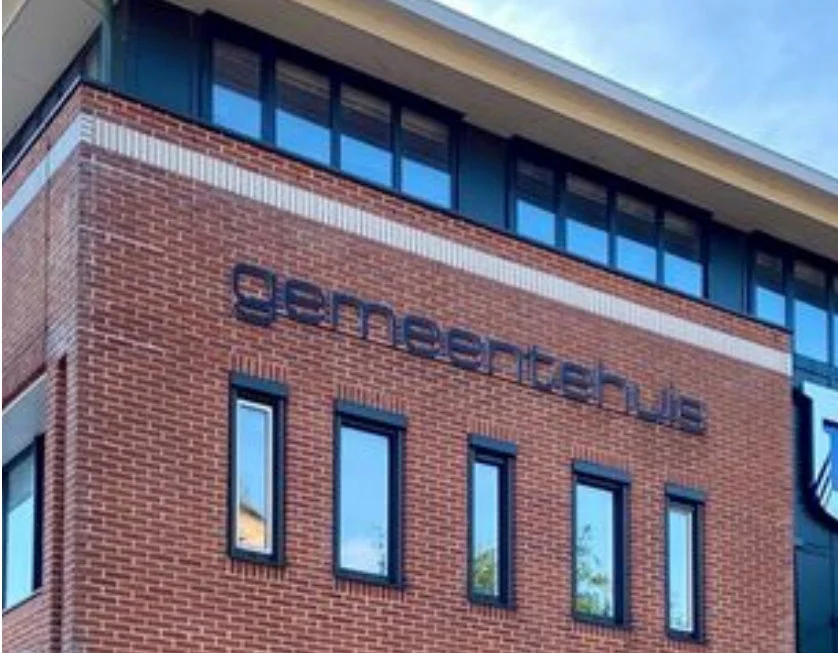
Gemeentehuis

Appointment
in Dutch “afspraak”
Sometimes you can go directly to the town hall, but in some municipalities you must first make an appointment by telephone. This can be difficult for many because they do not speak Dutch well. See if someone can help you to make that appointment.
You can usually see what you need to do on the municipality’s website. So, for example, whether you need to make an appointment first.
Different situations: a first survey
There are various situations in which you come to the Netherlands from abroad. We look at the following overview
Refugee
Residents for whom it is too dangerous to continue living in their own country. These residents flee. When they arrive in the Netherlands, they can apply for a residence permit. At that moment they have the status of asylum seeker. The agency indicated by the letters IND decides whether that permit will be granted. In this case the main organisation you will meet has the name COA.
Status holder
Once you receive the permit, you are a status holder. You will then be contacted by the municipality. Someone from the municipality will help you find out what the municipality can do for you and what education you should follow. In any case, you should know more about the Netherlands. That program is called Kennismaken Nederlandse Maatschappij and it is referred to as KNM. Of course you also have to learn the language. It indicates how you can prepare for work.
Special countries
If you come from a country that belongs to the EEC, everything is much simpler. Everyone from the EEC has the opportunity to look for work in the Netherlands and live here. You must report it to the municipality. If you come from the Ukraine, you have to deal with special rules.
Naturalization
If you want to officially become a Dutch citizen, you must apply for naturalization. There are certain rules for that. It is only possible if you have lived here for 5 years. We won’t go into it further.

Language lessons
Important links (internet)
We now provide a number of sites where you can find more information. On all those sites it is possible to set a language by clicking on the globe in the top right corner.
Living here:
A: you come from one of the EEC countries: link
B: you are a refugee: link
C: You are a status holder: link
Looking for work here:
A: you come from one of the EEC countries: link
B: you are a refugee: link
C: You are a status holder: link
The most important function for “statushouders”
The most important function of the town hall for “statushouders” is to provide information and support in their integration into Dutch society. This includes:
Housing: The town hall provides suitable housing for status holders.
Integration: The town hall offers language lessons, citizenship courses and other activities to help status holders get to know the Dutch language and culture.
Employment: The town hall helps status holders find work.
Care and support: The town hall offers support to status holders who need help, such as with debts, domestic violence or psychological problems.
In addition, status holders can go to the town hall for general information about Dutch society, such as rights and obligations, education and healthcare.
The precise services that a municipality offers to status holders may differ per municipality. This depends on the size of the municipality, the needs of the status holders and the financial resources of the municipality.
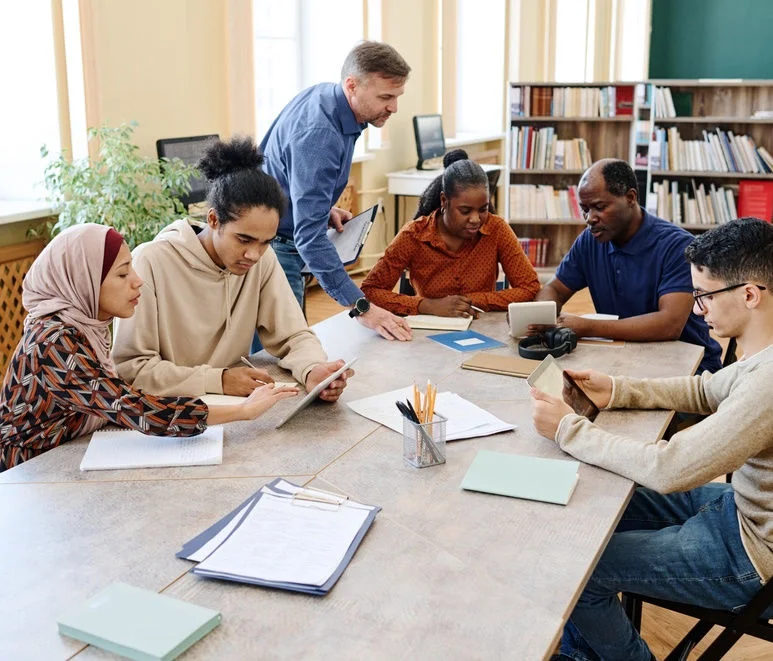
Language lessons
Specific examples of service for “statushouders”
Below are some specific examples of services that a municipality can offer:
– Information and advice about living, working, healthcare and education
– Language lessons and citizenship courses
– Mediation in finding work
– Customized guidance in building an independent life
– Integration processes
The municipality plays an important role in the integration of status holders. By offering them the right information and support, they can successfully integrate into Dutch society and build a new life in the Netherlands.