Dentist
In Dutch: “tandarts”
Dental care in the Netherlands is not completely covered by the basic health insurance. To help cover dental expenses, you can buy extra dental insurance from private companies. This insurance can pay for some of the costs of dental treatments.
Basic dental insurance usually covers routine check-ups, cleanings, and X-rays. It may also provide partial coverage for things like fillings or tooth removal. However, more extensive treatments like braces are usually not covered for adults, but children may be eligible for braces if they need them for health reasons.
Even with dental insurance, you may still need to pay some of the costs yourself. The exact amount depends on your insurance plan and the specific treatment you receive.
For children: It’s important to know that dental care for children is covered by the basic health insurance, including check-ups, fillings, and necessary braces.
If you need dental treatment, it’s a good idea to check what your dental insurance covers or consider getting dental insurance to help with the costs.
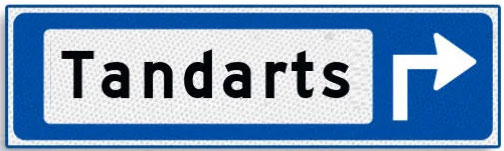
Searching for a dentist
Additional tips for refugees who are having difficulty finding a dentist:
See if there is a dentist in your area that specifically caters to refugees.
Ask for help from an organization that caters to refugees. There are many organizations that can help with finding a dentist.
Consider going to a dentist in another municipality. There are often more dentists in large cities than in small villages.
First Aid in the Netherlands
In Dutch: “spoedeisende hulp SEH/EHBO”
First, let’s explain what first aid is: it’s a department in the hospital you can go to if there’s an acute health problem, such as an accident. The hospital includes a general practitioner’s office (essentially a doctor’s office). You should first call this office before going. Look up the phone number. If you can’t make a call, go directly to the hospital and explain what’s happening. If it’s a life-threatening situation, you must call 112.
When to go to the First Aid department at a hospital in the Netherlands:
- Emergencies: If someone is in immediate danger or has a severe health issue like difficulty breathing, severe bleeding, or unconsciousness, proceed directly to the hospital’s First Aid. Call 112 for life-threatening situations.
- Accidents and Injuries: For significant injuries such as broken bones, deep cuts, burns, or head injuries, the First Aid department at the hospital can provide assistance.
- Sudden Illness: For sudden and serious health issues like a severe allergic reaction, signs of a stroke, or uncontrolled seizures, it is crucial to seek help at the hospital’s First Aid.
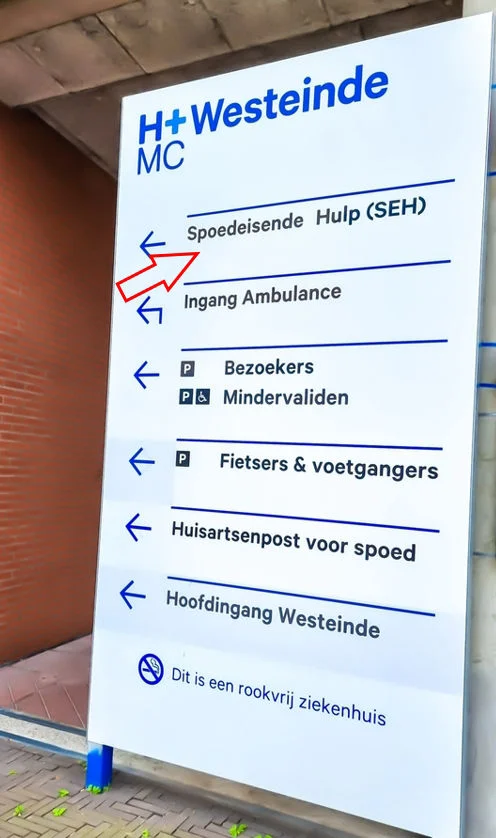
EHBO
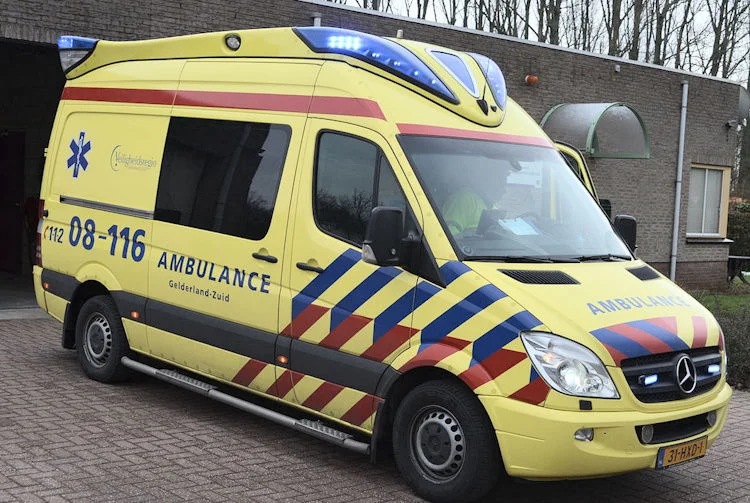
Emergency
In Dutch: “spoed”
Urgent Medical Concerns: If you have a health problem that needs immediate attention and cannot wait for a regular doctor’s appointment, like a bad infection, severe pain, or complications from an existing medical condition, you can go to the First Aid at the hospital.
Remember, the First Aid department is for urgent and serious medical situations. For less urgent problems or general health concerns, it’s better to visit a regular doctor during their normal working hours or call a medical helpline for advice.
If you’re unsure about whether you need immediate help, you can call the hospital’s First Aid department or the national emergency number (112) for guidance. They will help you understand what to do.
Specialistic care
The healthcare system here might seem a bit confusing at first, but we hope this explanation will help you understand it better.
1. Primary and Secondary Healthcare: What’s the Difference?
In the Netherlands, we distinguish between primary and secondary healthcare:
Primary care is the basic care that is directly accessible to everyone. This includes, for example, the general practitioner (GP), the dentist, and physiotherapy.
Secondary care is specialized care. This refers to hospital care, specialized treatments, and certain forms of mental healthcare. For secondary care, you usually need a referral from a primary care provider, like your GP.
2. How Do I Access Secondary Healthcare?
If you have a health issue that cannot be resolved by primary care, your GP will refer you to a specialist in secondary care. This could be, for example, a cardiologist, a surgeon, or a psychiatrist.
3. Costs and Insurance
In the Netherlands, everyone is required to have basic health insurance. This insurance covers the costs of most primary care, including much of secondary care. However, for some treatments in secondary care, there might be a personal contribution or deductible. It’s important to check this in advance with your health insurer.
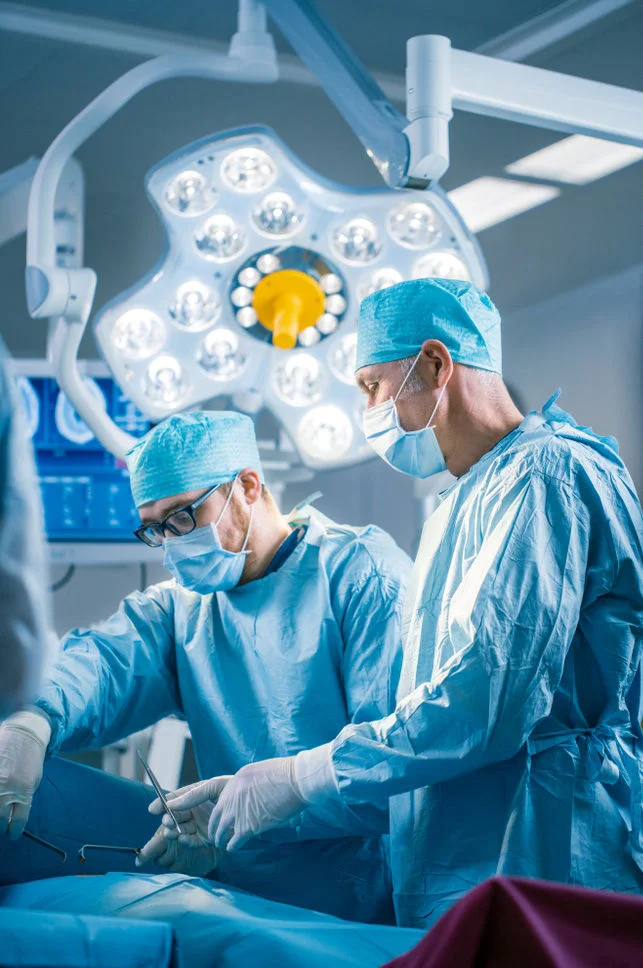
Surgery