Other important days (more personal)
Birthday
The Dutch name for this day is “verjaardag”:
When it’s your birthday, you get presents and especially young children eat cake with candles on it. If a child is seven then there are 7 candles on it. There is also a special song called “Lang zal ze leven”. It is sung at home, at school or at work and you often give something tasty. Children sometimes have party. Family and friends come to visit to congratulate the birthday person.
Usually you give a small present.
Birthday sentences
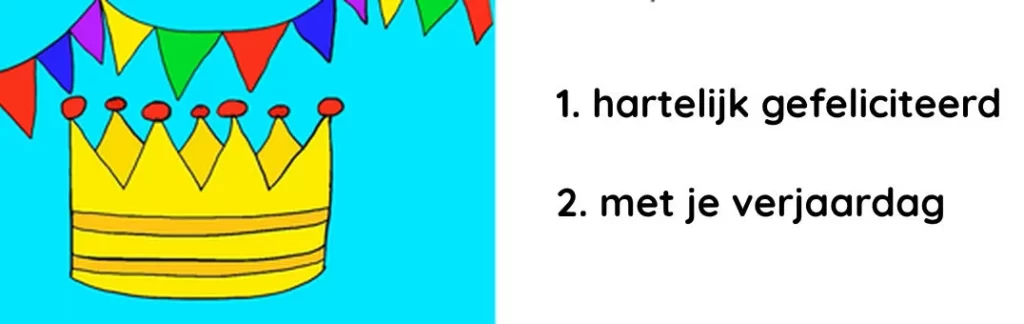
1: congratulations
2. with your birthday
Marriage
The Dutch word for marriage is: “huwelijk”:
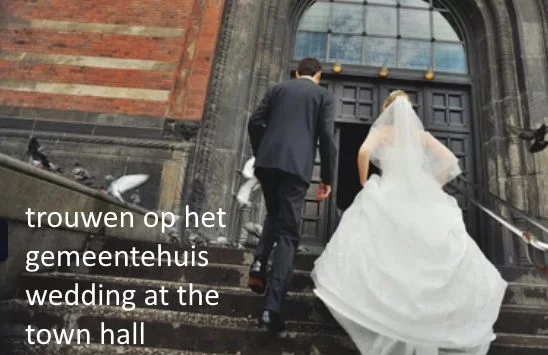
When two people decide to get married, they celebrate their wedding. They send invitations to their family and friends. The bride usually wears a white dress, and the groom wears a suit. The wedding ceremony takes place at the town hall (also known as the “gemeentehuis”), and for religious people, it may also be held in a church. After the ceremony, there is a reception where people congratulate the couple, and in the evening, there is often a party to celebrate. The “just married” couple often goes on a honeymoon afterwards.
Living together
The Dutch expression for living together is : “samen leven”:
It’s worth noting that many people in the Netherlands choose to live together without getting married. Additionally, in the Netherlands, it is also possible for two men or two women to legally marry each other.
Sentences
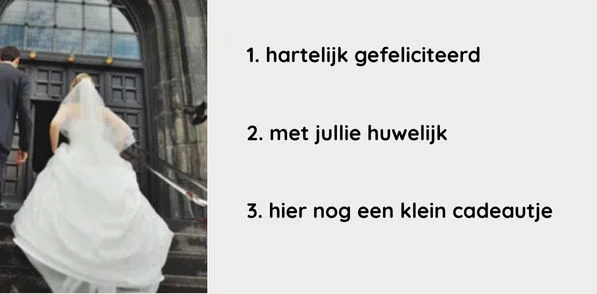
1. congratulations
2. with your marriage
If you are invited to the partij you cam bring a present, for instance related to the country where you come from. People always like such a present:
3. here is a small gift

Same-sex marriage accepted in the Netherlands
Same-sex marriage
In the Netherlands, same-sex marriage has been legal since 2001. It means that two people of the same sex can get married and have their marriage recognized by the law, just like a man and a woman. They have the same rights and responsibilities as any other married couple, including adopting children and receiving legal protections.
The Netherlands was the first country to legalize same-sex marriage, which was an important step for LGBTQ+ rights. Many other countries have since followed this example.
In the Netherlands, most people are accepting and supportive of same-sex marriage. It has helped create a more inclusive society where everyone is treated equally, regardless of their sexual orientation.
While some people may still have different opinions about same-sex marriage, the law in the Netherlands ensures that same-sex couples have the right to marry and enjoy the same benefits as any other married couple.
LGBTQ+
LGBTQ+ is a term that includes different types of people. It stands for lesbian, gay, bisexual, transgender, and queer. The “+” means that there are other types of people who are also part of this community.
Here’s what each term means:
Lesbian: This word is used for women who are attracted to other women.
Gay: This word is often used for men who are attracted to other men, but it can also include women.
Bisexual: This means someone who is attracted to both their own gender and other genders.
Transgender: This is when someone feels that their gender identity is different from the sex they were assigned when they were born.
Queer: This is a word that includes many different types of people who don’t fit into traditional categories. It can be used by people who don’t feel they fit into one specific group.
The “+” at the end means there are other types of people who are also part of the community, even if they’re not specifically mentioned. It’s important to remember that everyone is unique, and these terms help us understand and respect each other’s differences.
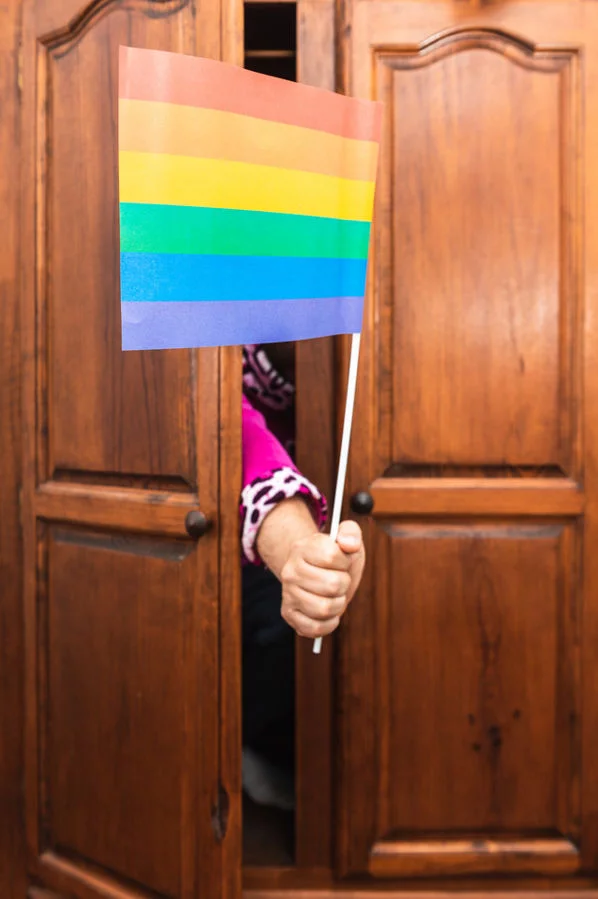
LGBTQ+ When someone says that they are homosexual, sometimes we use the phrase “coming out.” It means that they are sharing their true feelings and identity with others. It can be a big and brave step for them to be honest about who they are.

Birth
The Dutch expression is “geboorte”:
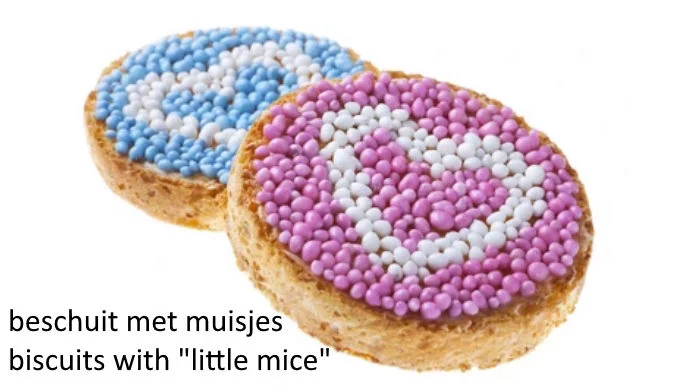
When a baby is born, it sometimes happens in the hospital and sometimes at home. The parents send cards to family and friends to share the good news. When visitors come, an appointment often has to be made first, because the mother and baby need rest. Visitors often receive biscuits (special large cookie) with small sweet (blue or pink). The Dutch expression is “beschuit met muisjes”.
When a baby is born in the Netherlands, there are several typical customs and traditions:
Birth Announcements: Parents often send out birth announcements to family, friends, and acquaintances to share the joyous news of their baby’s arrival. These announcements usually include the baby’s name, birth date, and sometimes a photo.
Visiting the Newborn: Family, friends, and loved ones visit the new parents and baby to offer their congratulations and well wishes. It is customary to bring a gift for the baby, such as clothing or toys.
Beschuit met muisjes
A popular Dutch tradition is serving “beschuit met muisjes” to celebrate the birth. This is a round, crisp biscuit topped with sugared anise seeds. Pink and white muisjes (candy-coated anise seeds) are typically used for a baby girl, while blue and white muisjes are used for a baby boy.
In the Netherlands, new parents often receive professional maternity care called “kraamzorg”.
A “kraamverzorgster” (maternity nurse) provides support and assistance to the new mother and helps with the care of the baby during the first week or two after birth.
These customs may vary from family to family, but they represent some common practices when a baby is born in the Netherlands
Passing away
In Dutch: “overlijden”
When someone passes away in the Netherlands, there are typical customs to remember:
Offering Condolences: Friends, family, and others express sympathy to the family by visiting their home or attending a special meeting. They offer kind words and support during this difficult time.
Funeral Services: Funerals can vary based on personal and religious preferences. They may happen at a church, crematorium, or cemetery. The ceremony includes speeches, prayers, music, and moments to remember and honor the person who passed away.
Condolence Register: At the funeral or gathering, there is a book where people can write their names and leave messages of sympathy for the family. This allows those who couldn’t attend the funeral to express their condolences.
Funeral Flowers: It’s common to send flowers to the funeral as a way to show sympathy and respect for the deceased. The flowers are displayed during the ceremony and may be placed on the grave or cremation site afterwards.
Mourning Period: The immediate family may observe a period of mourning after the loss. This is a time for them to grieve privately and reflect on their loss. The length of this period can vary for each family.
Thank You Cards: After the funeral, the family may send thank-you cards to those who offered condolences, attended the funeral, or sent flowers. These cards express gratitude for the support they received during their time of grief.
It’s important to remember that customs may vary based on personal beliefs, culture, and religion. These are general customs observed in the Netherlands when someone passes away, but individual families may have their own unique traditions and rituals.
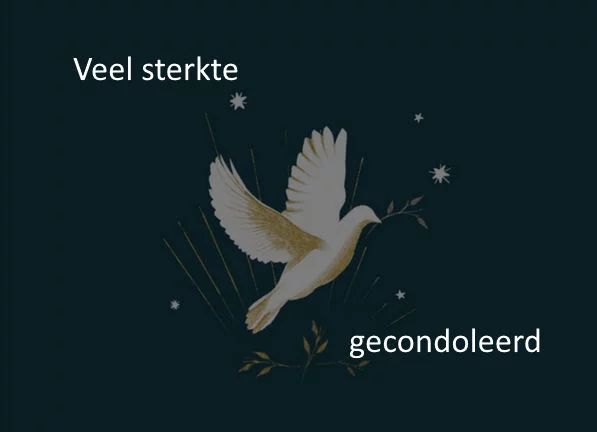
In Dutch: “gecondoleerd”
Pass exam
The Dutch expression is “slagen voor het examen”:
When someone passes an exam in the Netherlands, there are common ways to celebrate:
Congratulations: Friends and family congratulate the person on their success with kind words and messages.
Treats: The person who passed the exam often treats their loved ones to something special, like coffee and cake or a celebration at a restaurant or home.
Displaying Flags: Sometimes, for important exams like high school or university graduations, you may see the Dutch flag and a schoolbag displayed outside the person’s home as a sign of celebration.
Gifts: Family and close friends may give the person gifts to honor their achievement. These gifts can have special meaning or be related to their interests.
Social Media Announcements: Many people share their exam success on social media, expressing happiness and gratitude for the support they received during their studies.
These customs can vary depending on the person and the exam’s importance. Some celebrations may be more private, while others involve larger gatherings or parties. The main idea is to recognize the person’s accomplishment and offer support for their future endeavors.
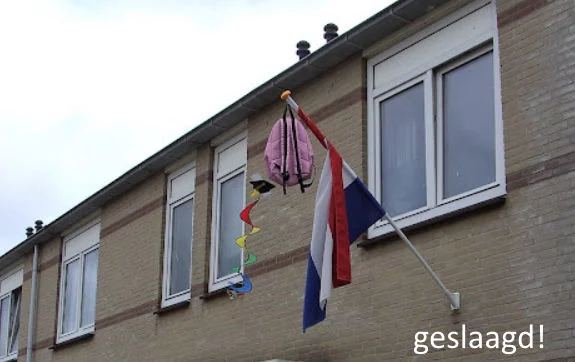
Congratulations… you passed the exam
Sinterklaas
Sinterklaas is a special children’s party celebrated every year on December 5 in the Netherlands. During this celebration, a person called Sinterklaas appears along with his helpers called Pieten. They help Sinterklaas give out gifts and sweets. Sinterklaas dresses up like a priest and the children are told that he comes from Spain to the Netherlands every year. They arrive by boat, and then Sinterklaas rides on a horse through the city. Children put their shoes near the fireplace or stove, hoping that Sinterklaas will leave a present in them. Some popular treats during Sinterklaas are pepernoten (spiced cookies) and chocolate letters.
Sinterklaas is also a topic of discussion in the Netherlands, especially regarding the tradition of Zwarte Pieten (Black Petes), the helpers of Sinterklaas. This tradition is controversial because it contains elements related to historical slavery. To address this concern, in many cities, the helpers are portrayed in various colors instead of just black. This change aims to make the celebration more inclusive and respectful to all.
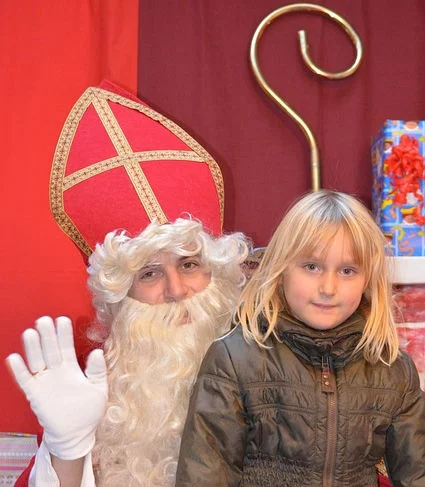
Foto Ben Kerckx Pixabay