What to do?
In the Netherlands, there are certain customs and etiquettes surrounding the giving of congratulations or condolences. Here is some more information:
In the Netherlands, there are certain customs and gestures to congratulate or offer condolences to someone. Here are some common practices:
To Congratulate:
Verbal congratulations: Simply expressing your congratulations and well wishes to the person is appreciated. You can say “Gefeliciteerd!” (Congratulations!) and offer a warm message of support and happiness for their achievement or milestone.
To Offer Condolences
Verbal condolences: When offering condolences, you can say “Gecondoleerd” (Condolences) and express your sympathy and support for the grieving person. You can also offer comforting words or simply let them know that you are there for them.
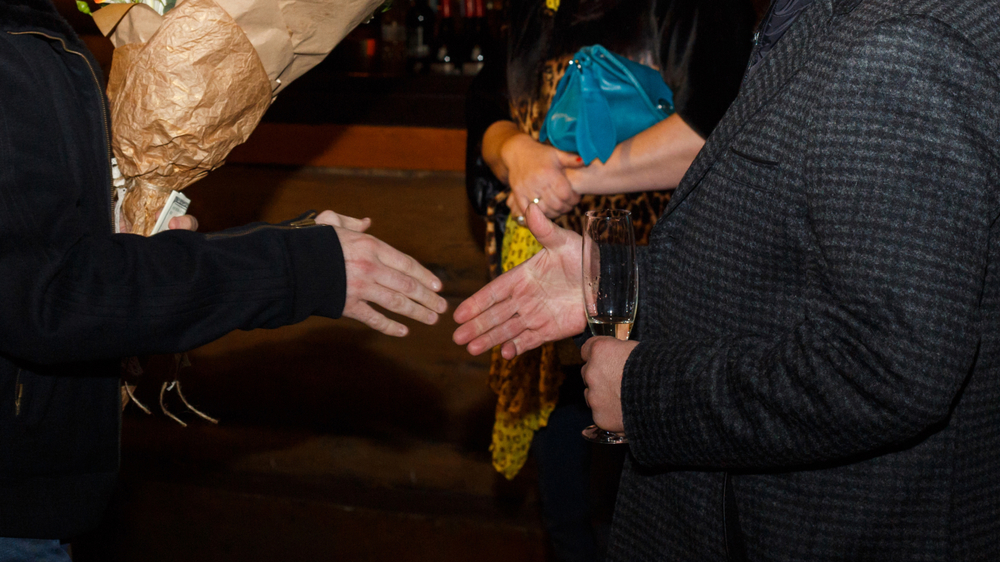
Congratulations or condolences

Gifts
Offering a small gift to congratulate someone is a thoughtful gesture. It could be a bouquet of flowers, a bottle of wine, or a personalized gift that reflects their accomplishment or interests.
Cards
Sending a congratulatory card is a popular way to express your congratulations. You can find cards specifically designed for various occasions, and you can write a personal message inside to convey your heartfelt wishes.
Sympathy cards
Sending a sympathy card is a common way to express condolences. You can find cards specifically meant for offering sympathy and write a heartfelt message inside to show your support and empathy.
Flowers
Sending a bouquet of flowers, especially white or soft-colored blooms, is a traditional way to express condolences in the Netherlands. It represents your sympathy and offers comfort to the grieving family.
Attending the funeral or memorial service: If appropriate and if you have a close relationship with the grieving person or their family, attending the funeral or memorial service is a meaningful way to offer your condolences in person. Your presence and support can provide comfort during their difficult time.
It’s important to consider the cultural and individual preferences of the person you are congratulating or offering condolences to. These gestures show your care and support during both joyful and challenging moments in their lives.

Send someone a card
In the Netherlands it is customary to send someone a card on various occasions, such as:
Birthdays: It is customary to send a birthday card to friends, relatives or acquaintances to congratulate them on their birthday.
Holidays: During holidays such as Christmas, Easter and Sinterklaas, people often send cards to their loved ones to convey their good wishes.
On special events: When a special event takes place, such as a wedding, birth or graduation, it is customary to send a card to convey your congratulations.
In case of illness or condolence: When someone is ill or has passed away, sending a card can be seen as a sign of sympathy.
Kissing…
In Dutch: “kussen”
In the Netherlands, people sometimes greet each other by kissing on the cheek as a way of being friendly. But it’s important to know that not everyone does this, and it depends on the person and the situation. Here are some things to keep in mind:
Three kisses: In many parts of the Netherlands, it’s common to give three light kisses on the cheek when greeting friends, family, or acquaintances. The pattern is usually right cheek, left cheek, and then right cheek again.
Gender and familiarity: The three-kiss greeting is often done between people of different genders or women. However, among male friends or acquaintances, it’s more common to shake hands or just nod as a greeting. Some men may still give a single cheek kiss, though.
Variations: While three kisses are typical, some people might prefer fewer kisses, like two or even just one. In more formal or professional settings, a handshake is usually the preferred greeting.
Respecting personal boundaries: It’s important to respect others’ personal space and comfort levels when it comes to physical greetings. If you’re unsure, it’s perfectly fine to just give a friendly nod, smile, or handshake instead of a kiss.
Overall, kissing customs in the Netherlands can vary depending on the people and the situation. It’s important to be observant and considerate of others’ preferences, to show respect and maintain personal boundaries.

Informal and formal
Visit and bring a gift
The Dutch word for visit is “bezoek”
When you visit, you can bring a gift or flowers, for example for new neighbors or for a party. At a birthday, wedding or birth, people give gifts, for instance a gift card. If you want to thank someone, you can give a gift, flowers or a gift card, but not money. Gifts are not expensive and people open them right away.
If you have an appointment
The Dutch word for appointment is “afspraak”
If you have an official appointment, such as at the hospital or for a job interview, you must arrive on time. If you are late, you may get a problem, such as a fine, or you will have no job. If you can’t come, or you are late, you have to call. You can write the appointment in a calendar.
Formal contact
When attending a formal meeting in the Netherlands, like visiting a doctor, there are important things to remember:
Be on time: It’s important to arrive at your appointment on time to show respect for the doctor’s schedule. The Dutch expression for be on time is “op tijd zijn”
Schedule and changes: Make appointments in advance and let the doctor’s office know if you need to reschedule or cancel. Try to give them at least 24 hours’ notice.
Bring necessary documents: Bring any documents related to your medical history or previous treatments to help the doctor understand your situation.
Privacy and confidentiality: Your health matters are private, and doctors in the Netherlands have strict rules to keep your information confidential. Feel free to ask about privacy or any concerns you have.
Remember, specific instructions may vary depending on the healthcare provider, so it’s good to check with the doctor’s office for any additional information or requirements.

doctor (photo: granderboy via Pixabay)