The provinces and the municipalities
The information you provided is mostly accurate, but there is a significant error: The Netherlands does not have just 2 provinces; it has 12 provinces. Let me correct the text for you:
Province
The Netherlands has 12 provinces. In lesson 1, we introduced these regions. Each region is ruled by Provincial Councils. Such councils decide on matters such as roads, the environment, and construction projects. The King’s Commissioner is the head of the provincial administration.
Municipality
A municipality is a city or village and has its own municipal council that people can vote for every four years. The city council decides on matters such as houses, schools, and roads. The mayor is the leader of the city council.
The Netherlands is a member of the European Union in which countries in Europe work together. The European Parliament is elected every five years by people in the European Union and makes agreements on matters such as the economy and security.
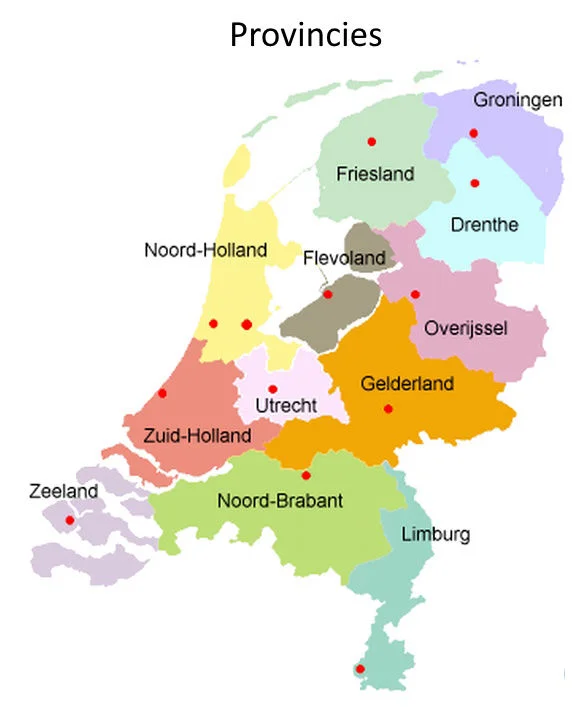
The 12 provinces
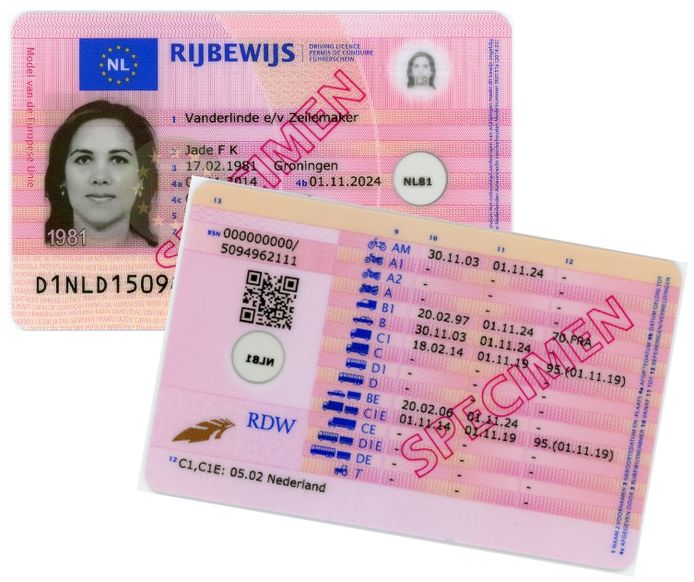
Drivers licence
Why are municipalities important for all people living there?
What do you have at a town hall?
Paperwork: for Life Events:
Register a baby’s birth.
Get papers for marriage.
Report someone’s death.
Get Permits:
Get permission to build or change a house.
Start a business.
Organize big events or parties in public places.
Money Matters:
Pay taxes for your house or property.
Set up or pay for city services like water or trash collection.
Ask Questions or Complain:
Talk about problems or ask questions about town services.
So, a town hall is a place where people can do many things related to the town they live in.
Why are municipalities important for you (1)
In the Netherlands, municipalities (gemeenten) play a crucial role in the day-to-day lives of residents, including refugees, statushouders (refugees granted asylum status), and work immigrants. Here’s why municipalities are especially important for these groups:
Refugees:
Housing: Upon receiving a residence permit, refugees are assigned housing in a specific municipality. Municipalities are responsible for providing suitable housing for a certain number of refugees, proportional to their population.
Integration Courses: Municipalities often facilitate or oversee integration courses, which help refugees learn the Dutch language, culture, and society.
Social Support: Municipalities offer various social services, from psychological support to help with day-to-day tasks, aiding refugees in adapting to their new environment.
Statushouders (Refugees with Asylum Status):
Integration Requirement: Statushouders are required to integrate into Dutch society. Municipalities guide them through this process, ensuring they attend necessary courses and fulfill other requirements.
Employment and Education: Municipalities assist statushouders in finding jobs or educational opportunities, often liaising with local businesses, schools, and vocational training centers.
Financial Assistance: Those who cannot support themselves immediately might receive financial assistance, managed at the municipal level.
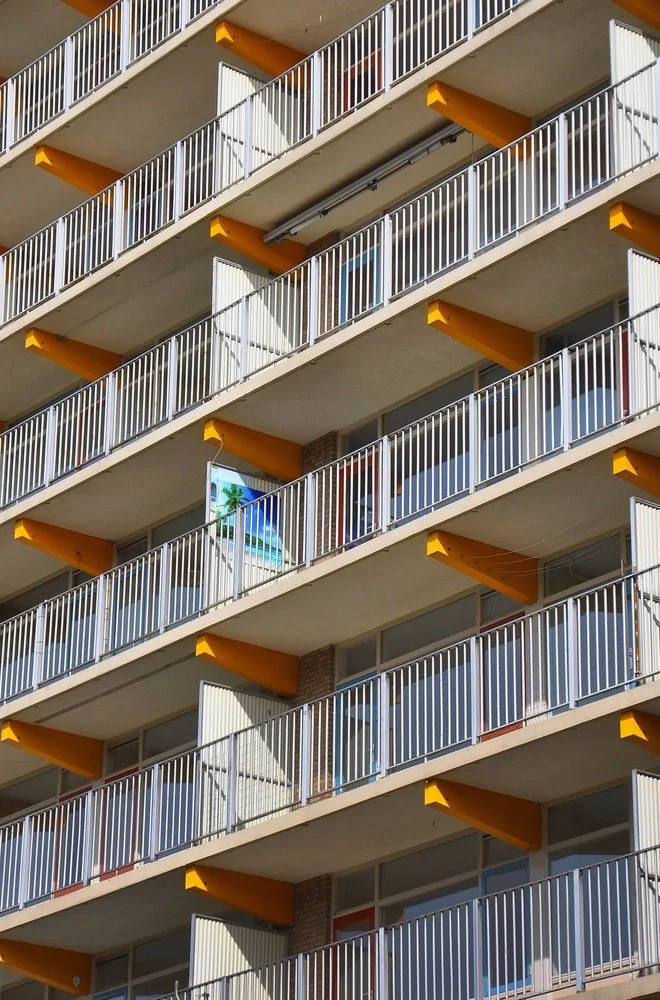
Housing
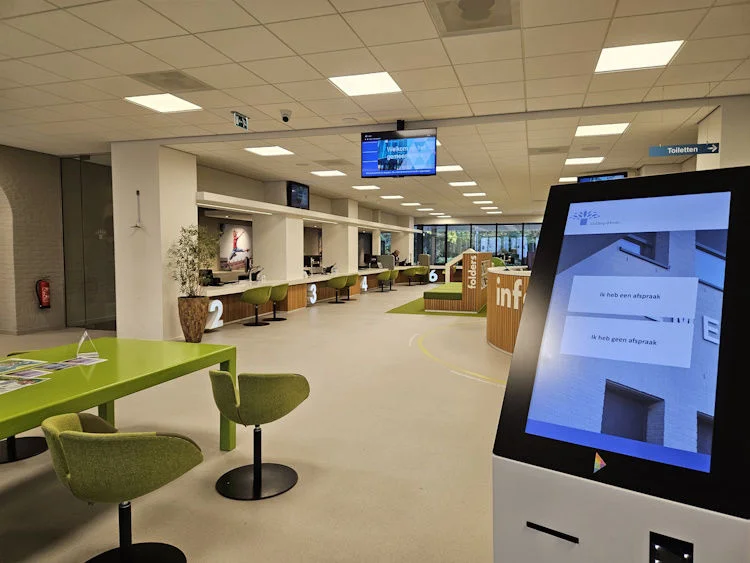
Municipal services
Why are municipalities important for you (2)
Work Immigrants:
Residence and Work Permits: While the national government handles these permits, municipalities provide essential local registration and other administrative processes work immigrants need.
Local Services: Work immigrants, like all residents, benefit from municipal services, from public transport to healthcare. Understanding and navigating these services is essential for their well-being and successful integration.
Community Integration: Municipalities often organize events, workshops, or information sessions catering to the immigrant community, ensuring they feel welcomed and become part of the local community.
In essence, while the national government sets overarching policies, it’s the municipalities that implement many of the practical aspects of these policies, making them vital for the successful integration and well-being of refugees, statushouders, and work immigrants.