Permit
Residence permit 1
in Dutch “verblijfsvergunning”
In the Netherlands there are different types of residence permits, which are issued by the Immigration and Naturalization Service (IND). The type of residence permit that someone receives depends on the reason why he or she wants to stay in the Netherlands.
The most common types of residence permits are:
Entry permit: This permit is issued to people who want to stay in the Netherlands for a certain period, for example for work, study or family reunification.
Permanent residence permit: This permit is issued to people who want to continue living in the Netherlands.
Asylum permit: This permit is issued to people who have applied for and been granted asylum in the Netherlands.
Fixed-term residence permit for EU citizens: This permit is issued to EU citizens who want to stay in the Netherlands for a certain period.
Gemeentehuis
Residence permit 2
Below is an overview of the different types of residence permits, with a brief description of the conditions and rights and obligations associated with the permit:
Admission permit
Conditions: The applicant must have a valid passport or identity card, a valid visa and valid insurance. The applicant must also demonstrate that he or she has sufficient money to live in the Netherlands and that he or she has a place of residence.
Rights and obligations: The holder of an entry permit has the right to reside in the Netherlands for the period stated on the permit. The holder also has the right to work and study.
Residence permit for an indefinite period
Conditions: The applicant must live and work in the Netherlands for a certain period, depending on the reason why he or she is in the Netherlands. The applicant must also demonstrate that he or she speaks sufficient Dutch and that he or she has integrated into Dutch society.
Rights and obligations: The holder of a permanent residence permit has the right to continue to live and work in the Netherlands. The holder also has the right to apply for a Dutch passport.
Asylum permit
Conditions: The applicant must demonstrate that he or she has a well-founded fear of persecution or inhumane treatment in his or her country of origin.
Rights and obligations: The holder of an asylum permit has the right to stay in the Netherlands until his or her asylum application has been processed. The holder also has the right to work and study.
For more information: refugeehelp.nl select your language
Fixed-terms permit for EU-citizens
Conditions: The applicant must have a valid passport or identity card, valid insurance and a valid job or place of study in the Netherlands.
Rights and obligations: The holder of a temporary residence permit for EU citizens has the right to stay in the Netherlands for the period stated on the permit. The holder also has the right to work and study.
In addition to these general types of residence permits, there are also a number of more specific types of residence permits, such as:
Residence permit for family reunification:
This type of permit is issued to family members of Dutch citizens or EU citizens who are living in the Netherlands.
Residence permit for highly skilled migrants: This type of permit is issued to highly skilled workers who want to work in the Netherlands.
Residence permit for humanitarian reasons: This type of permit is issued to people who need protection in the Netherlands for humanitarian reasons, such as victims of human trafficking or torture.

European flag
Police
Police: introduction
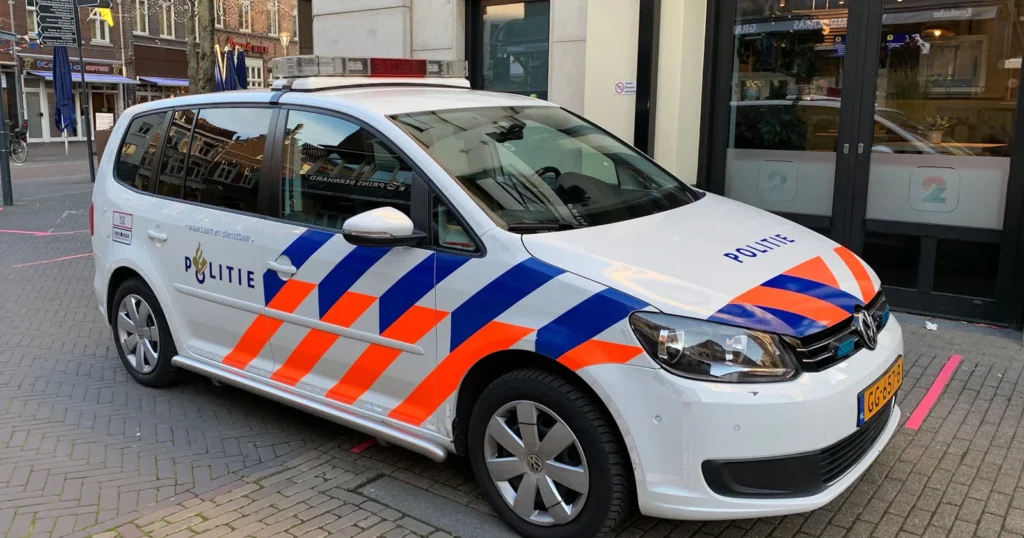
The first task of the police in the Netherlands is to ensure that everyone can feel safe. The police also check whether everyone adheres to the rules and laws. In the event of a crime, the police will try to find and arrest the criminal. A procedure then follows during which someone first checks whether the police can detain the criminal. We won’t go into it further. There are police officers on the street who wear a uniform. People who do not wear uniforms also work at the police station. Just think of the detectives who have to solve crimes.
Possibilities where you can come into contact with the police
We think about:
– An accident has happened;
– You are in possession of drugs;
– You are involved in a fight
– You are experiencing nuisances: for example, the neighbours have the music playing very loudly
Please note: it is forbidden to insult a police officer. You must always do what the police tell you.
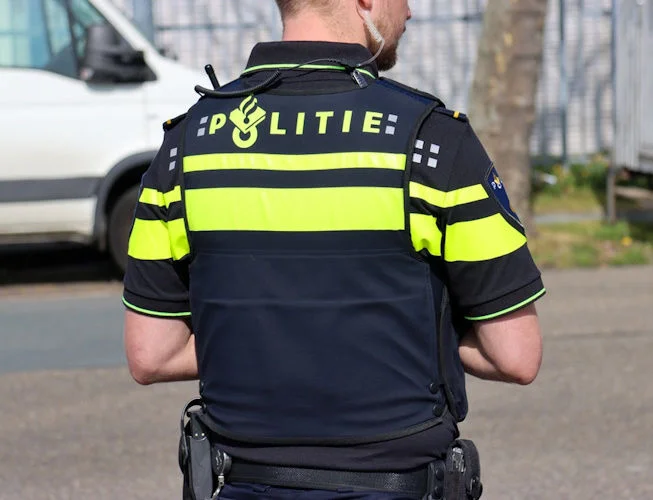
Police
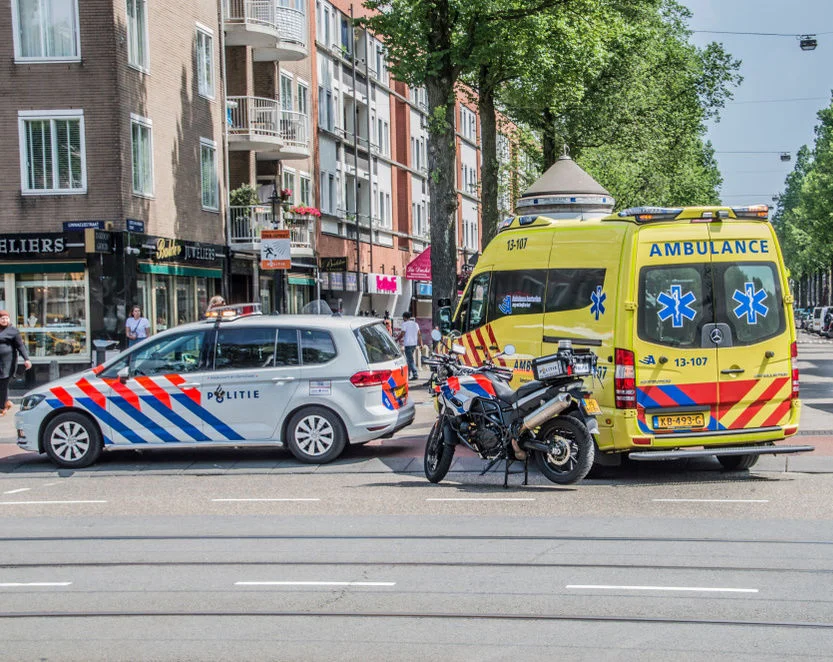
in Dutch “politie”
From the age of 14 you must always have proof of identity with you and from the age of 12 on public transport. This can be a passport, driver’s license, identity card or residence permit. The police or a conductor may ask for your ID.
When
You can report to the police if something has been stolen, if you have lost something, if someone has used violence against you or if someone has threatened you.
In serious situations such as an accident on the street or violence, you can call the emergency number 112. In less serious situations such as noise from neighbors you can call 0900-8844.
Tax
Tax authorities
in Dutch “belastingdienst”
Everyone in the Netherlands has a citizen service number (BSN). Everyone in the Netherlands has to pay tax on, among other things, income, municipal tax (for waste and water/sewer) and 21% VAT on everything you buy. You can file a tax return online and the tax authorities will check whether you have to pay extra money or get it back. If you have a low income/salary, you can apply for benefits such as rent benefit, healthcare benefit and childcare benefit.
Digi-D code
With a Digi -D code you can log in to many agencies on the internet. Child benefit is money that every parent receives when a baby is born up to and including the age of 17.
Bank - Money
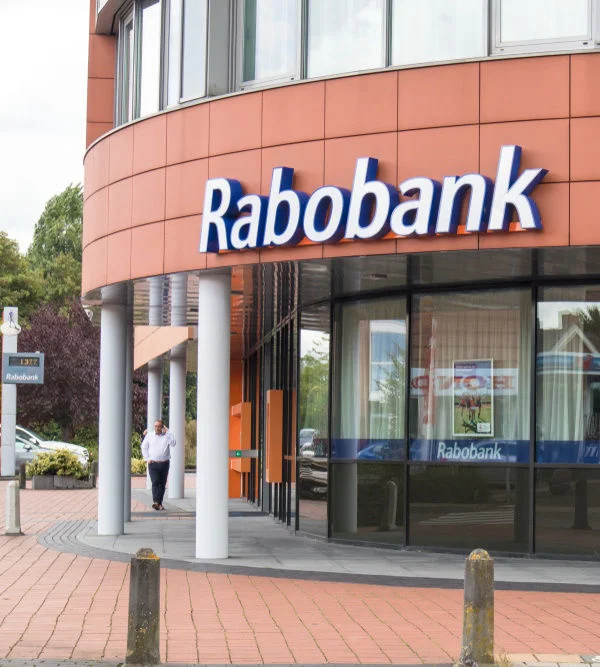
Bank
in Dutch “bank”
Almost everyone has a bank account with an account number. You will receive a card from the bank (debit card). If you have less than 0 euros in the bank, you have a negative balance (‘overdraft’). Contactless payment = hold your debit card against the device (no code required, for small amounts).
Payment = transfer money, this can be done in different ways:
• Automatic payment (authorisation, direct debit) = cheap way of paying. This is if you have to pay the same amount each time (such as rent). You don’t have to do anything, the landlord takes money from your account. You can always stop paying automatically. The first time you pay automatically, you must fill in an authorization (with signature).
• Internet banking = pay with a password and code (with your phone or laptop).
If your debit card has been stolen, you must quickly have your bank account blocked at the bank. You must also call the police (file a report).
Laywer
Legal help
in Dutch “Juridische hulp”
You get legal help from a lawyer. A lawyer can help if:
• You want to stay in the Netherlands, but you have problems with your residence permit.
• Someone who works for the police/municipality/IND has treated you badly.
• You want to divorce your husband or wife.
• You had a fight with your boss at work (and you are now out of work).
• You bought a car, but the car is broken and the garage does not want to pay.
• You have done something illegal (such as driving under the influence of alcohol) and there has been an accident. In this situation, there will be a trial and the judge will decide who is right and what happens. The assistance of Social Counselors is free (they are NOT lawyers). They can provide information and advice. They can help fill out forms or write a letter. The Juridisch Loket (also in Breda) provides free help. You can go to the office or call to ask for information first. If you start a lawsuit with a lawyer, you must pay part of the costs yourself. If you have a low income/salary, this is not much.
• Issues? Sometimes someone doesn’t feel well.