Introducing working in the Netherlands requires a clear explanation of the different groups that enter the labour market. This diversity in the job-seeking population brings both opportunities and challenges. Here is a brief introduction describing the situation of the most important groups.
1. EU citizens, such as from Poland
People from European Union (EU) countries enjoy the right to free movement of workers within member states. This means that they can live and work in the Netherlands without a visa. EU citizens are known for their contributions to sectors where there are labor shortages, such as agriculture, construction and logistics. Their integration into the Dutch labor market is generally facilitated by EU regulations that prohibit discrimination on the basis of nationality and ensure equal treatment in employment, training and working conditions. Nowadays much attention is paid to this group. There are special centra that provides appropriate information and there is an official site for this group. You can select your language by using the small globe at the upper right corner of this site.
workinnl.nl
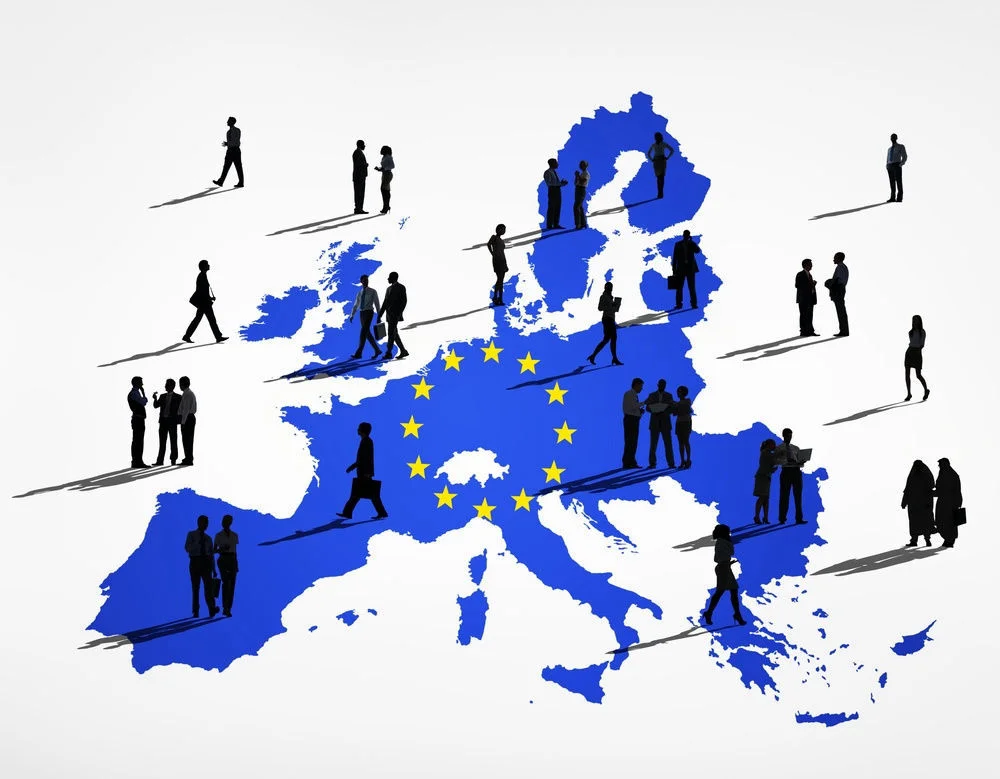

More information
EU citizens have the right to settle and work freely in the Netherlands without the obligation to learn the Dutch language. While this right offers a great advantage in terms of labor mobility within the EU, it also poses specific challenges, especially in terms of language barriers and understanding local laws and customs. Here are some key points and suggestions to address this vulnerability:
Language barrier
• Integration in the Workplace: Employers can play a key role in supporting EU employees in learning the Dutch language by offering or reimbursing language courses.
Legal Advice: It is important for EU citizens to be well informed about their rights and obligations in the Netherlands. This can be done by using legal advice offered by municipalities, trade unions, or non-profit organizations specialized in employment law.
Informative Sources: More attention is paid on this subject. The special information points give information on subjects like labor rights and labor conditions in the Netherlands. This is crucial to prevent exploitation. It is important that EU citizens are aware of their rights, such as minimum wages, working hours, and safety regulations.
Again we refer to:
workinnl.nl
2. Dutch people who have become unemployed:
This group includes individuals who have lost their jobs for various reasons, such as economic downturn, reorganizations within companies or by no longer being suitable for their previous activities. The Dutch government offers various support programs to help these people find new work. This includes retraining, work-to-work pathways, and financial support through the Unemployment Act. The focus is often on matching the skills of unemployed people with the needs of the labor market. The main organisation for this group is called UWV.
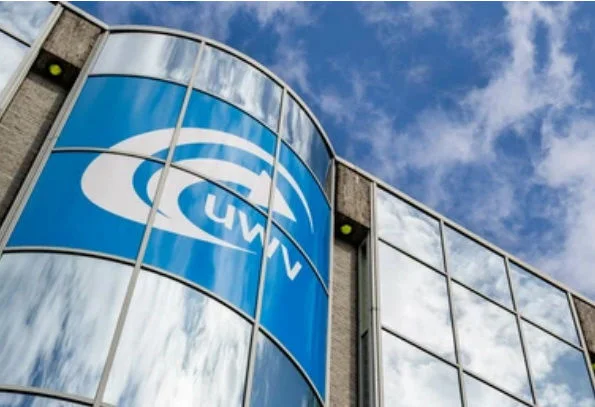
Building of UWV organisation
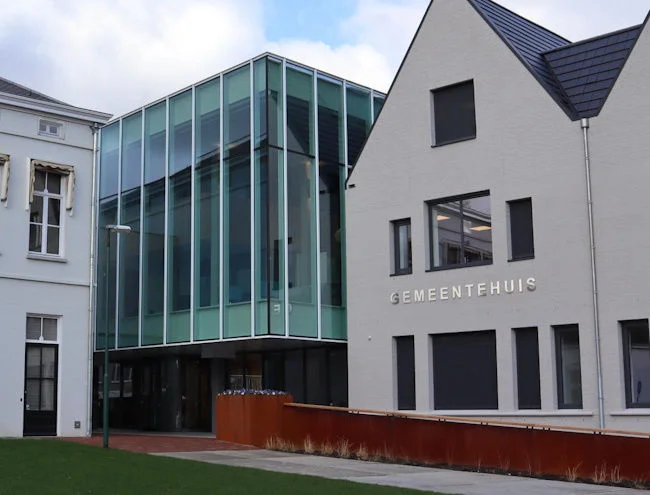
Town hall = “gemeentehuis”
3. Status holders who need to find work:
Status holders are refugees who have received a residence permit in the Netherlands. They face unique challenges in finding work, including language barriers, recognition of foreign degrees and the lack of a local professional network. The Dutch government and various non-governmental organizations offer programs to help status holders with their integration into the labor market. This includes language courses, vocational training and mentoring programs aimed at increasing the employability of this group. Also for this group there is an important site. You can select your language by using the small globe at the upper right corner of this site. Usually the municipality is the first organisation that is important for this group.
Important differences between status holders and unemployed persons
There are a number of important differences between a status holder and an unemployed person looking for work in the Netherlands. First we have to keep in mind that a status holder received a residence permit to live and work in the Netherlands. Furthermore a status holder receives assistance from the COA and the municipality. A person with a Dutch passport will be entitled to unemployment benefits or social assistance benefits from the UWV. This means that the first source of information differs. Furthermore we have to consider that a status holder is obliged to learn the Dutch language, whereas a Dutchman usually speaks Dutch.
If you are living already in the Netherlands your diplomas and certificates are presumably directly recognized whereas diplomas and certificates need a special procedure in order to be recognized.
Similarities
In case both status holders and unemployed people would like to find a job.
They can both use the support of the UWV and/or other organizations like special information points of municipalities. (workinnl.nl)

Differences and similarities

Different reasons for being in the Netherlands
There may be several reasons why you came to the Netherlands. If a company has invited you, that company will usually also ensure that you receive guidance to obtain the correct permits. It makes quite a difference whether you come from a country that is part of the European Union or a country outside the Union. Then it is possible that you came here as a refugee and that you are now looking for work as a status holder.